It Matters Where You Advertise: Suit Claims Meta Profits from Scam Ads
By Christopher Shea
Rhode Island Current
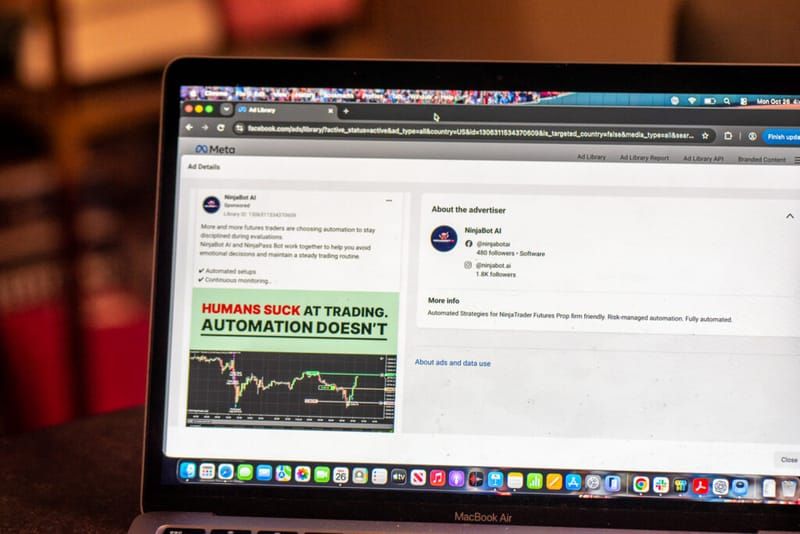
A fake investment opportunity, a phony Social Security benefit or a dubious health product might seem like just another random ad on Meta’s platforms.
But Rhode Island Attorney General Peter Neronha claims the tech giant allows the same advertising machinery that helps legitimate businesses find customers to be used by scammers to target victims, allowing Meta to reap in billions of dollars of revenue.
That’s the central allegation in a lawsuit Neronha’s office filed Oct. 22 in Providence County Superior Court, making Rhode Island the first state in the nation to sue Meta over its alleged role in profiting from scam ads. The 85-page complaint accuses the California-based Meta, which owns Facebook, Instagram and WhatsApp, of violating Rhode Island’s consumer protection laws.
“For a company that engages so many Rhode Islanders and Americans, maintaining high standards for consumer safety should be of the utmost importance,” Neronha said in a statement.
A Meta spokesperson called the state’s claims “unfounded,” noting that the company regularly partners with law enforcement to disrupt scam networks.
“The Attorney General refused to engage with us on ways we protect Rhode Islanders from scams, and has instead hired an out-of-state private law firm to concoct a lawsuit that ignores the full range of actions we take to combat scams every day,” the spokesperson said in a statement to Rhode Island Current. “We fight scams because they’re not good for us or the people and businesses that rely on our services.”
Rhode Island is the first state to sue Meta over its alleged role in profiting from scam ads, but not the first government to do so. Santa Clara County in California filed a similar lawsuit in May, accusing the company of violating state laws against false advertising and unfair business practices.
The state’s case adds to a wave of legal challenges Meta has faced over the harms its platforms allegedly cause, from child safety to consumer privacy.
Kane's Comment: Your mother may have told you you're known by the company you keep. More than any other major social media platform of which we're aware, there are repeated unsavory reports involving Meta.
An early documented illustration of a lack of moral clarity was "The Facebook Files" investigation by The Wall Street Journal five years ago. Using leaked corporate documents, the WSJ demonstrated that Facebook Inc., now Meta, "knows, in acute detail, that its platforms are riddled with flaws that cause harm, often in ways only the company fully understands." VIPs are allowed to do things mere mortals are not, including harassment and incitement to violence that would typically lead to sanctions. It showed that repeatedly Instatgram is harmful for a sizable percentage of young girls. Facebook employees flagged drug cartels and human traffickers, but the company did little or nothing. "The Facebook Files" is the basis for "The Social Reckoning," currently in theaters.
Now, in addition to the harms demonstrated by The Wall Street Journal, once again ranked by YouGov as the most-trusted U.S. newspaper and the most widely circulated print newspaer with a higher print circulation than the New York Times, we have these allegations by the Rhode Island attorney general. An allegation is just that: A charge.
Comments ()