What Inflation Cost the Bev/Al Industry
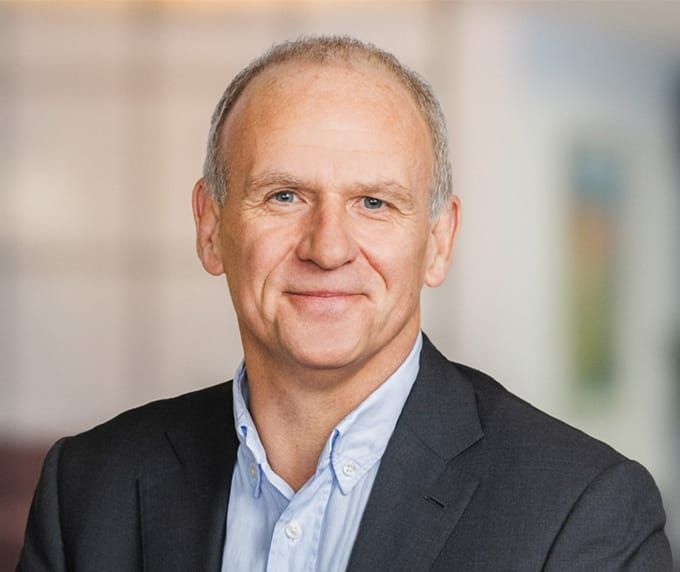
The No. 1 challenge facing the alcoholic beverage industry is not Gen Z drinking less, not health warnings, but the simple fact that the cost of going out has risen faster than consumer incomes. says Pierre-Aymeric du Cray, Managing Director of Pernod Ricard Deutschland.
And how has inflation hurt the alcohol beverage industry, more specifically the spirits industry?
"We discovered a lot of people were not able to actually go watch a football game anymore," he said. " At home the subscription price (to watch on cable) can be very expensive, and many bars have stopped showing games because it has become so expensive to do that."
So, "we lost an occasion as an industry to get people together on a Sunday evening, share the passion, support and cheer for the same team," he said.
Du Cray delivered his remarks from the Park Street University stage at Bar Convent Berlin.
Having a drink at a bar now competes much more than it used to not only with other ways to spend money but with ways to spend one's time.
Du Cray rejected the idea that Gen Z does not drink. He noted that 74% of of Gen Zers are still drinking alcohol, which is basically the 76% average of 76% of the older generation. "That's not a big difference," he said. And 84% of Gen Z drinkers said they had cocktails in the past six months, "which means the level of penetration is still high."
But the number of drinking occasions has decreased. Why? A major reason, he said, is the number of hours per day people spend on their cellphones.
Data from Harmony Healthcare IT places Gen Z phone usage at nearly six and a half hours a day, exceeding the overall US adult average of 5 hours and 16 minutes. Platforms like TikTok, Instagram, YouTube, and Snapchat account for the largest share of smartphone time, often taking up 3.5 to 4 hours daily.
So, given the economic pressure, the health conciousnmess, the time pressure Gen Z faces, how do we make it worth their while to go out and have a drink, he asked, adding:
"At the end of the day, people want experiences. They want authenticity. The solutionis not to just support the broadvcasting fees but making suree we can recreate the occasions that bring people together.
As we increase occasions that bring people together, what can be done to make the occasion memorable for people who are not drinking?
"We need to change our approach. We are not selling bottles, we are sellng occasions. We are not advertising or broadcasting messages. We need to earn relevance. We don't want necessarily to maximize alcohol. We need to make sure we maximize the moment.
"We need to speak about communities, not consumers. They still want rituals, but they still want a good reason to spend their money, their time, their health, sometimes all of this. We protect our industry by its relevance to their experiences."
Comments ()